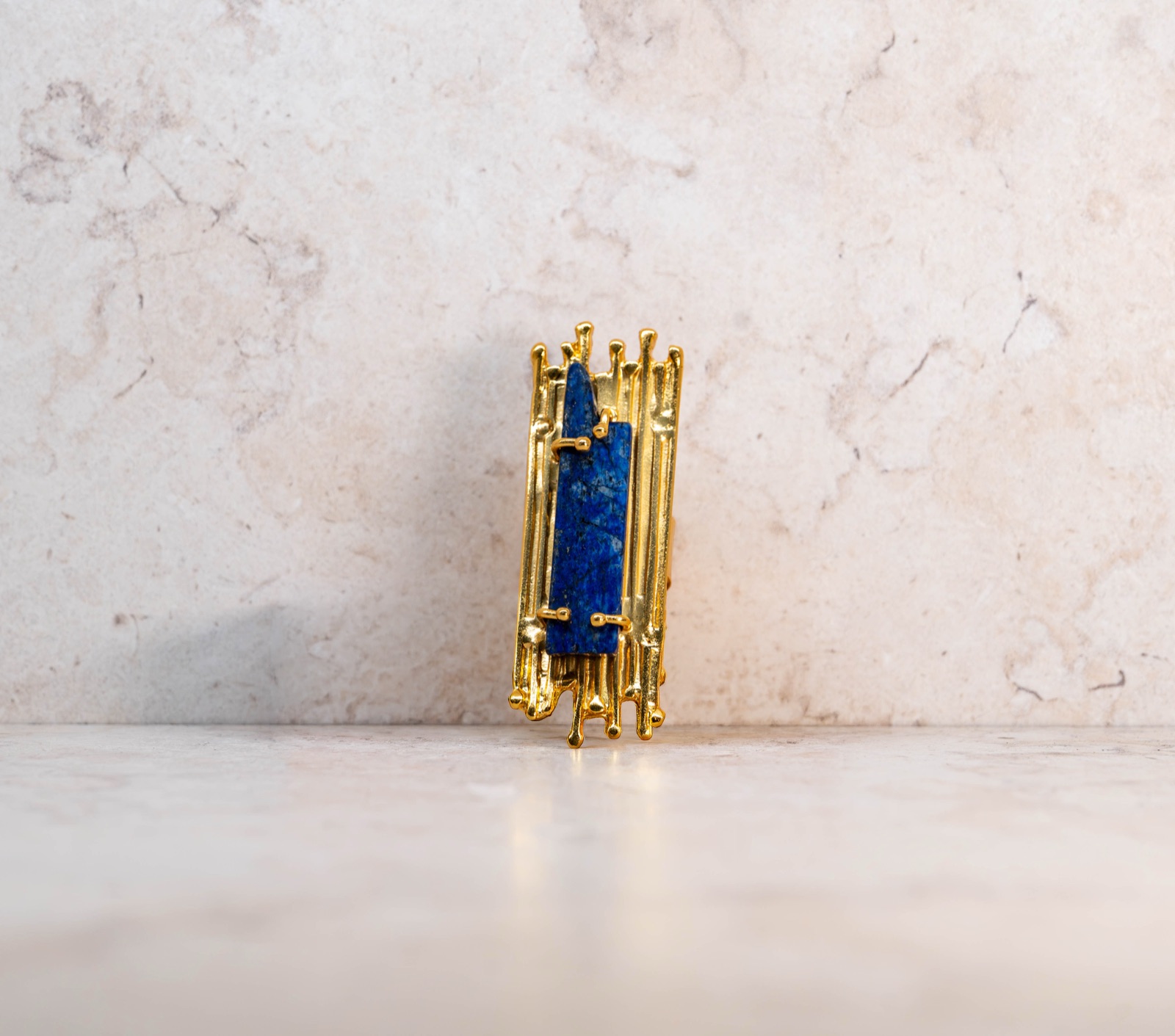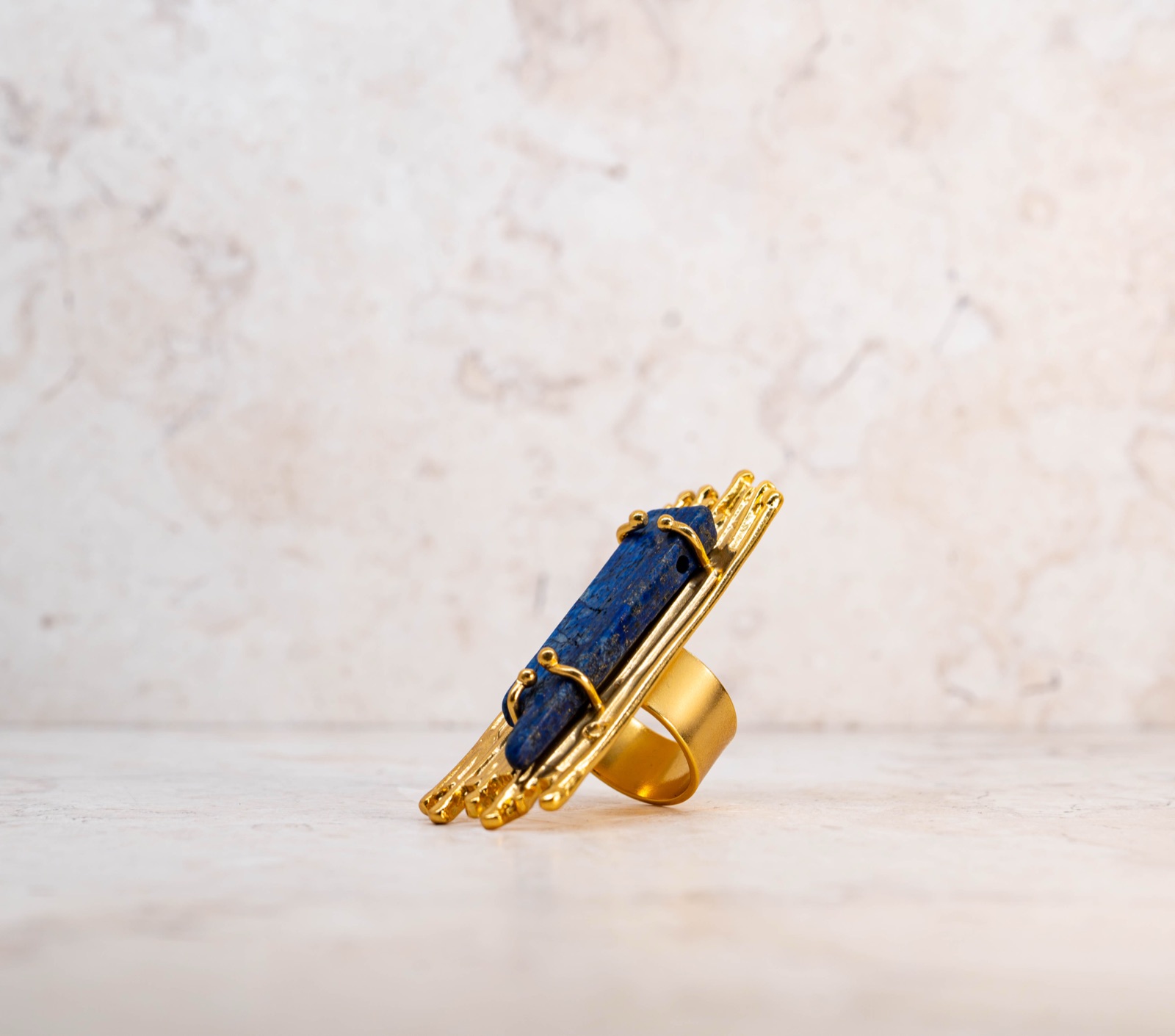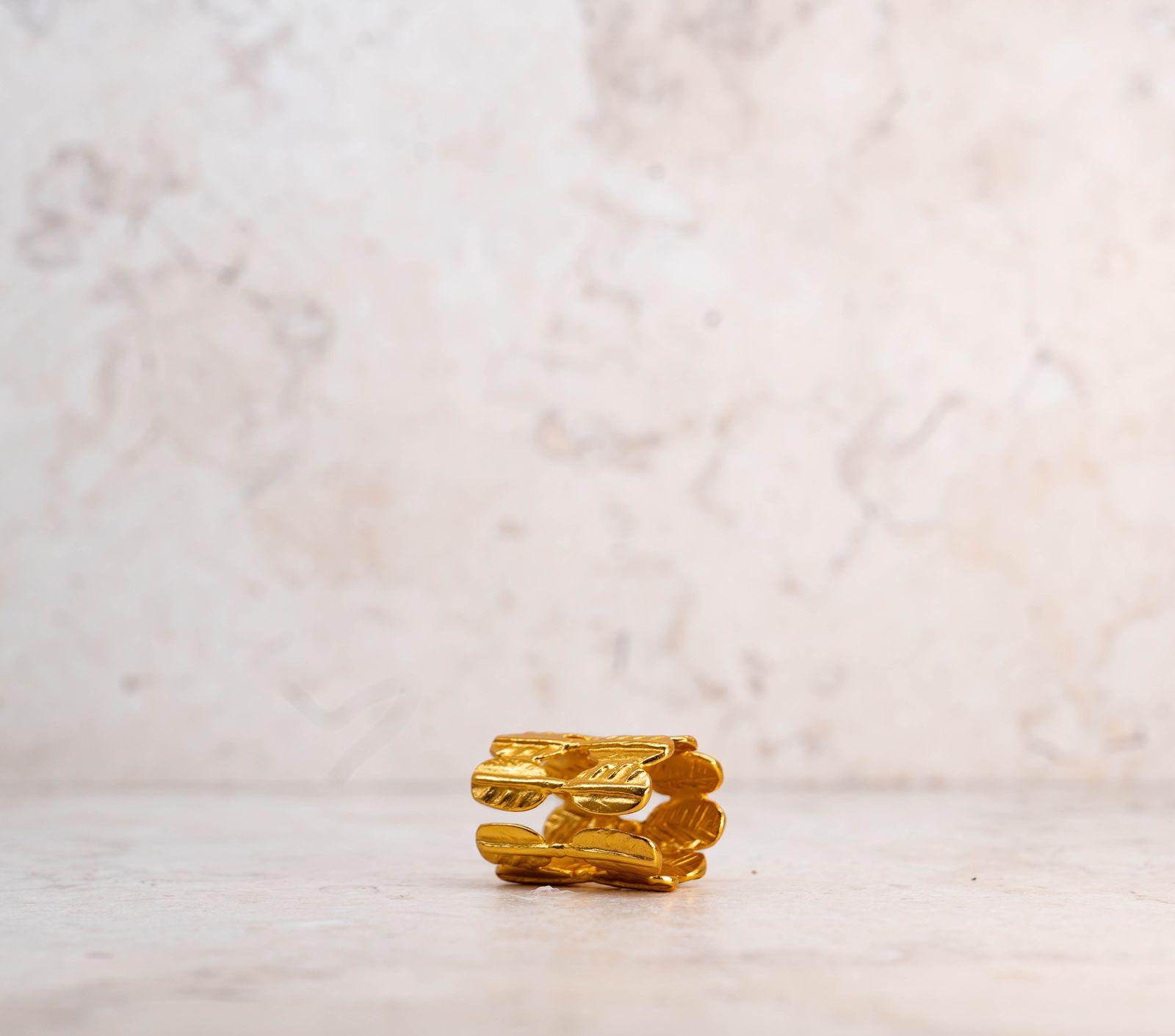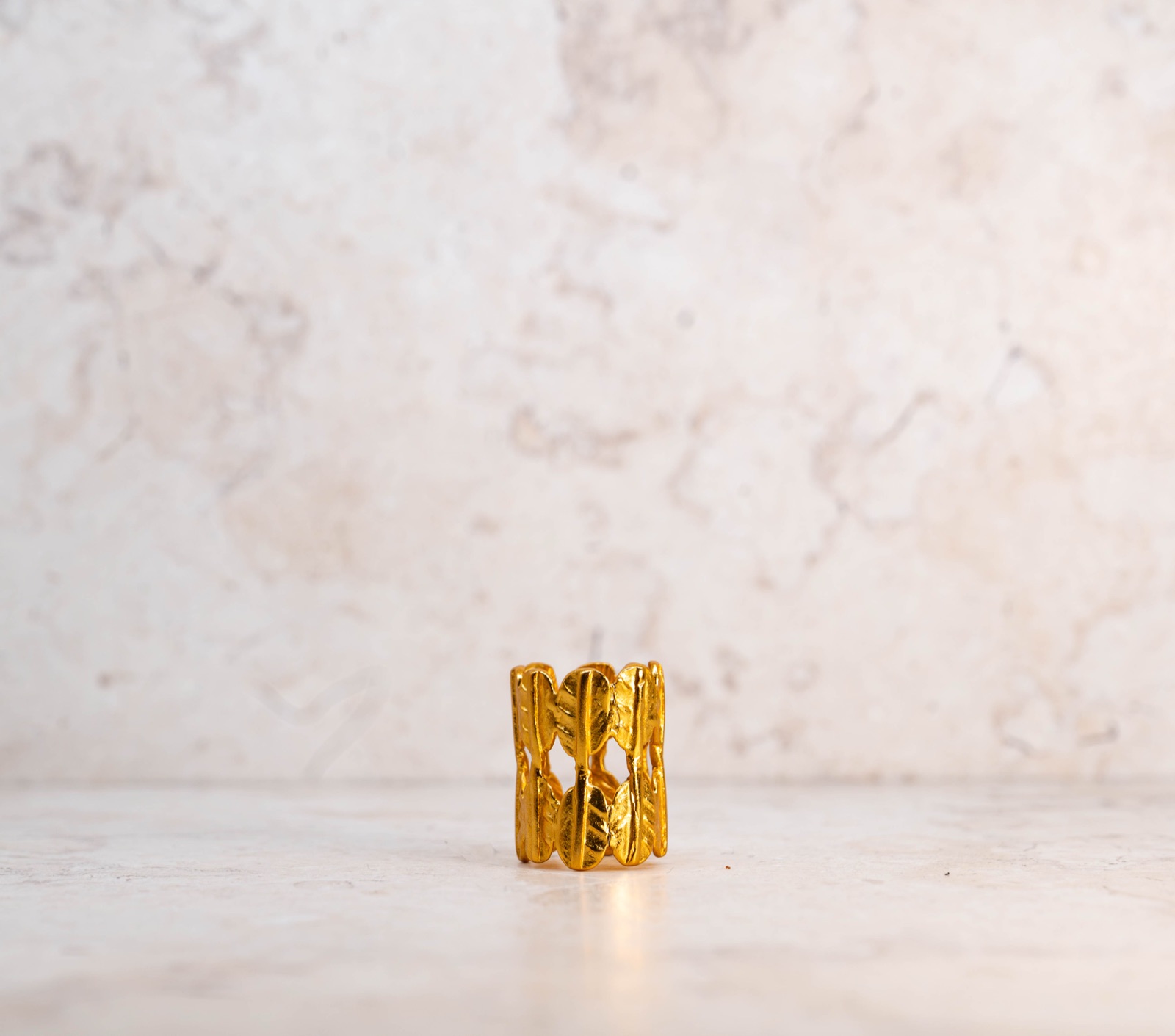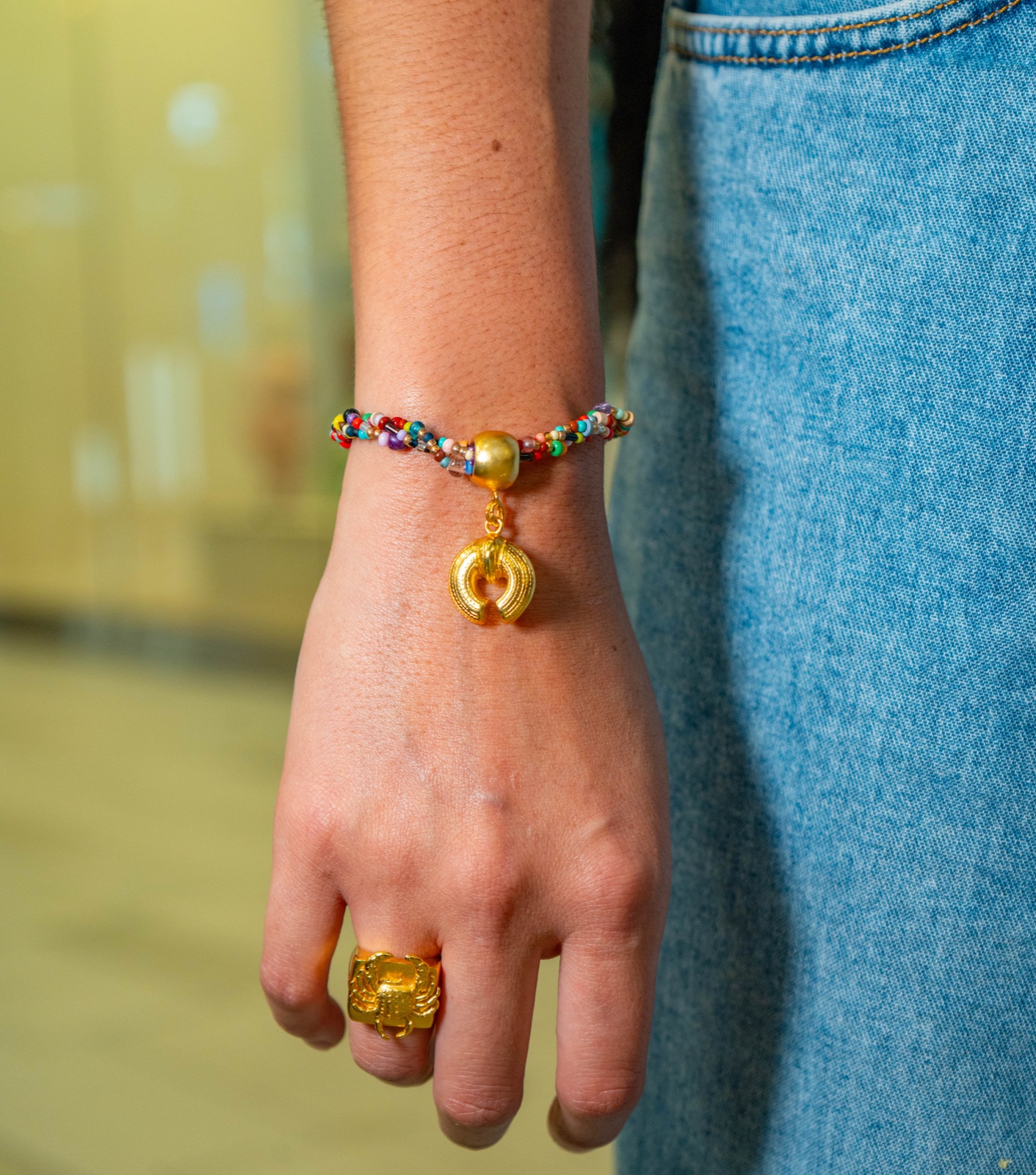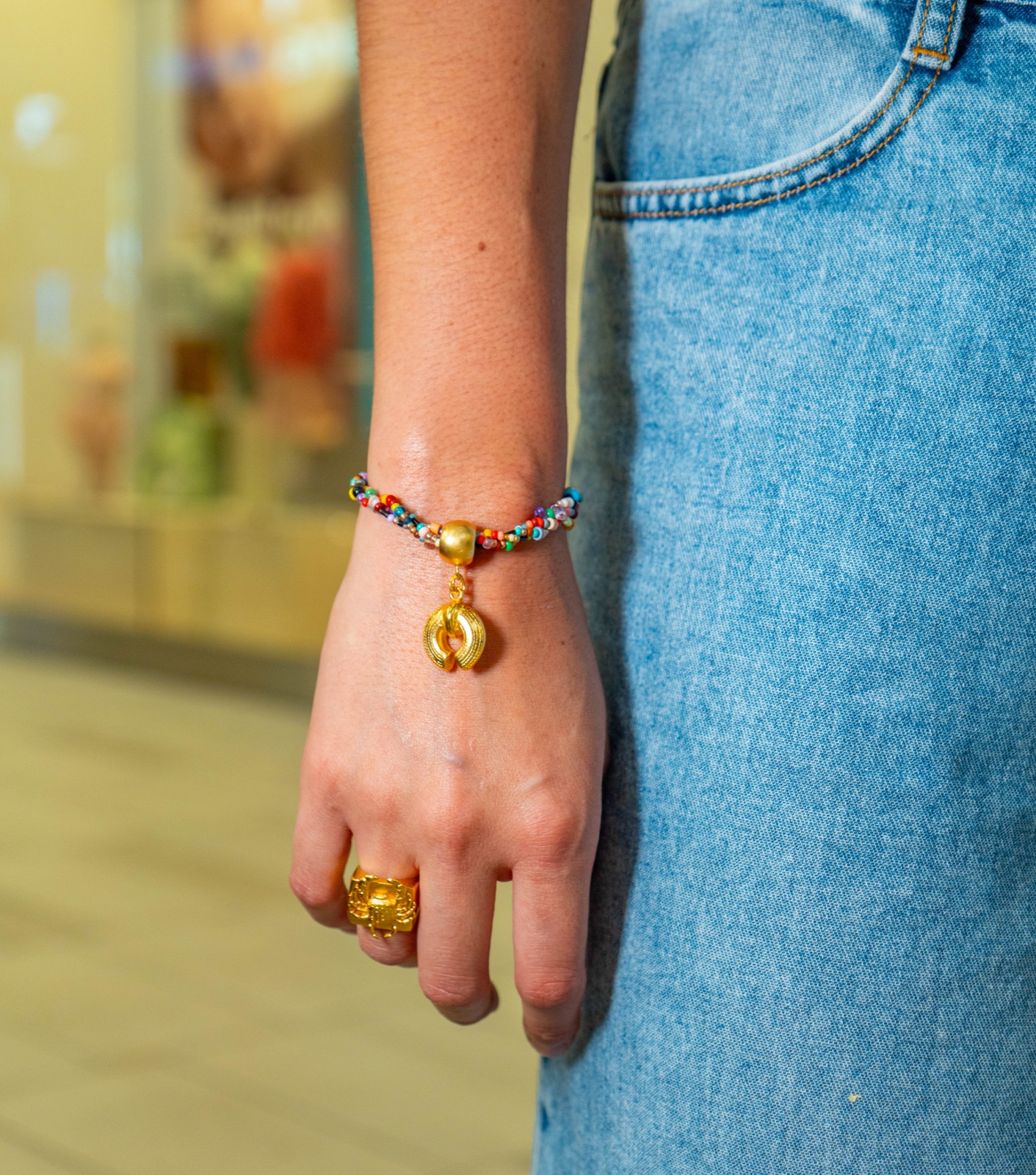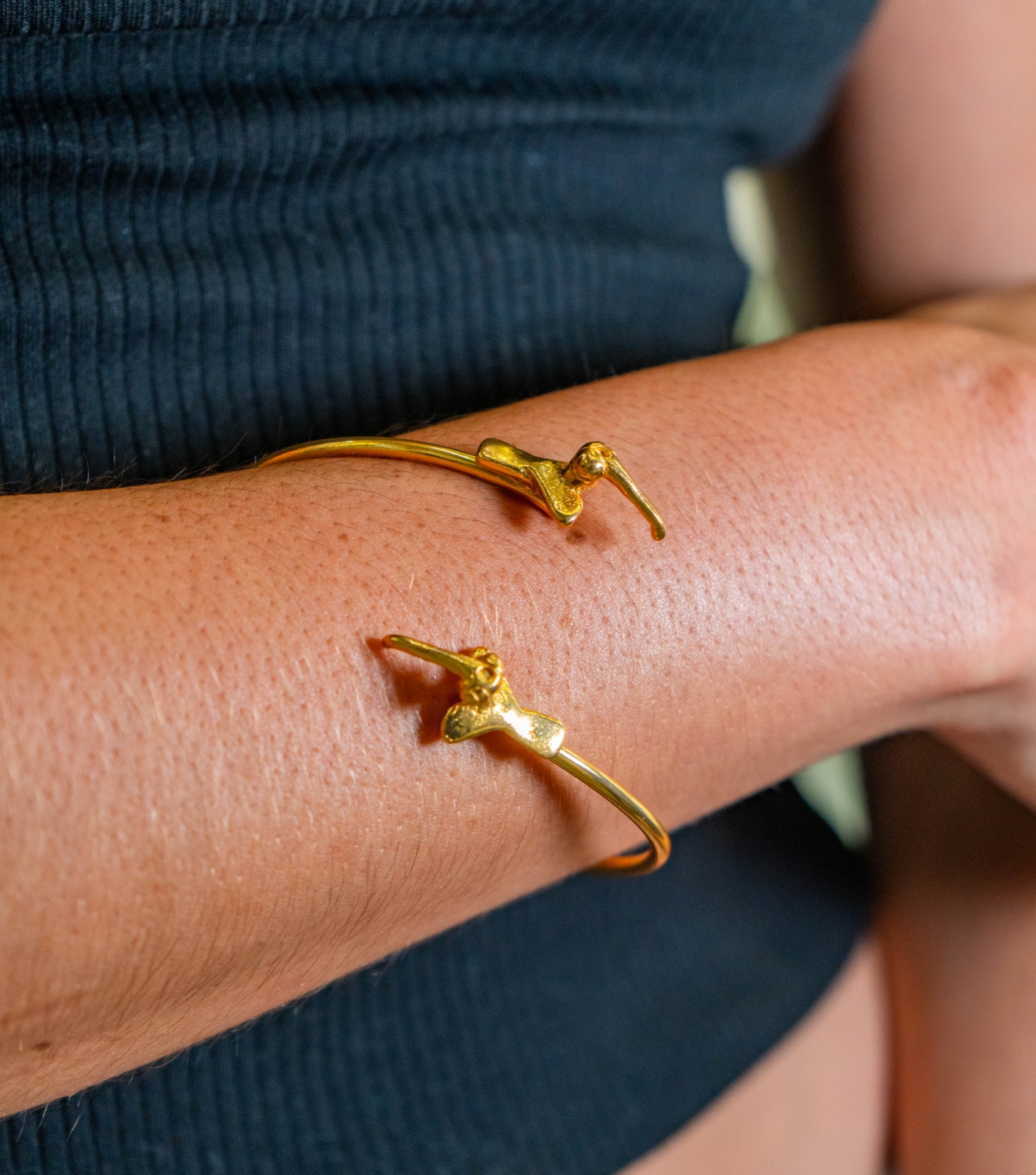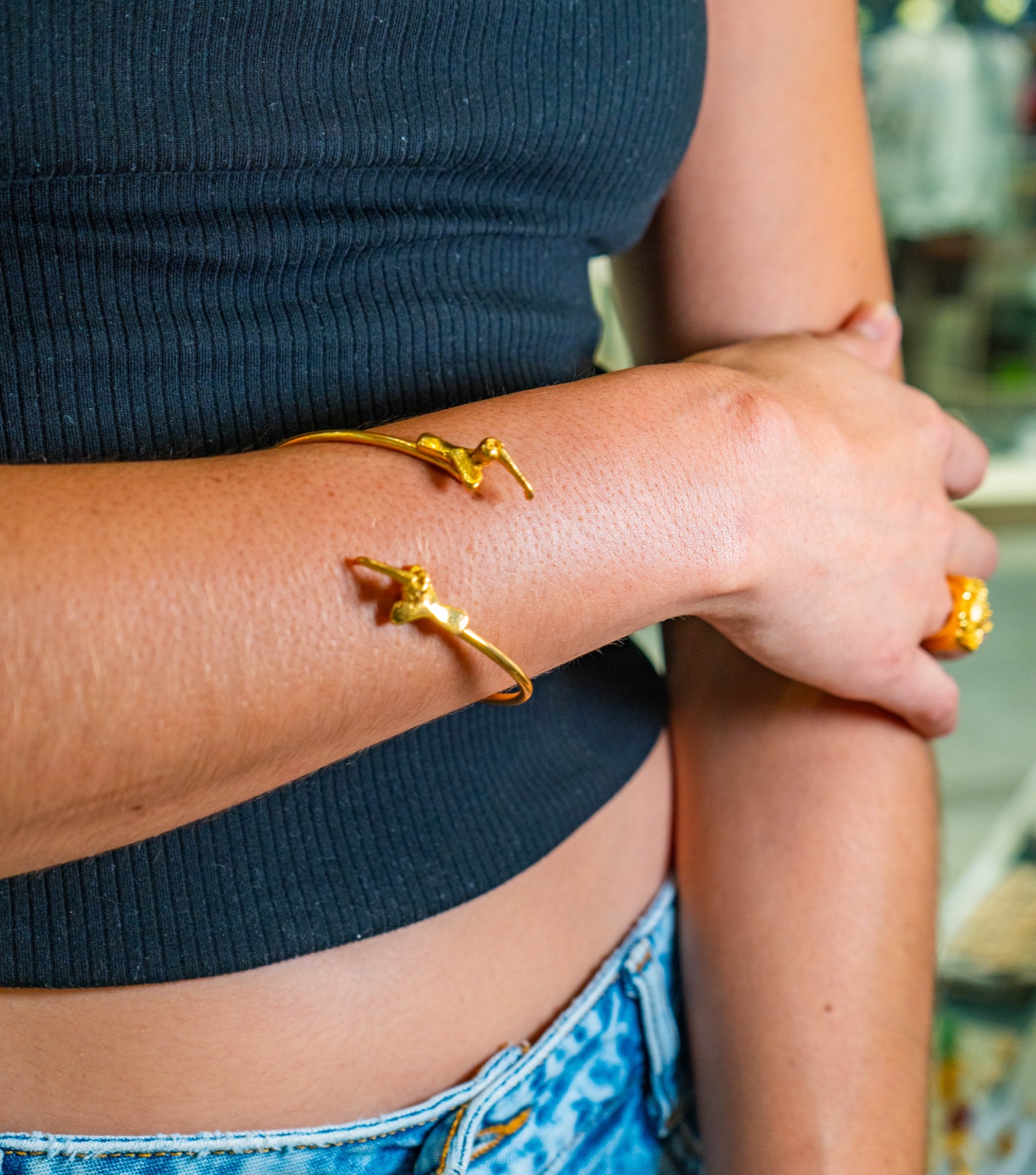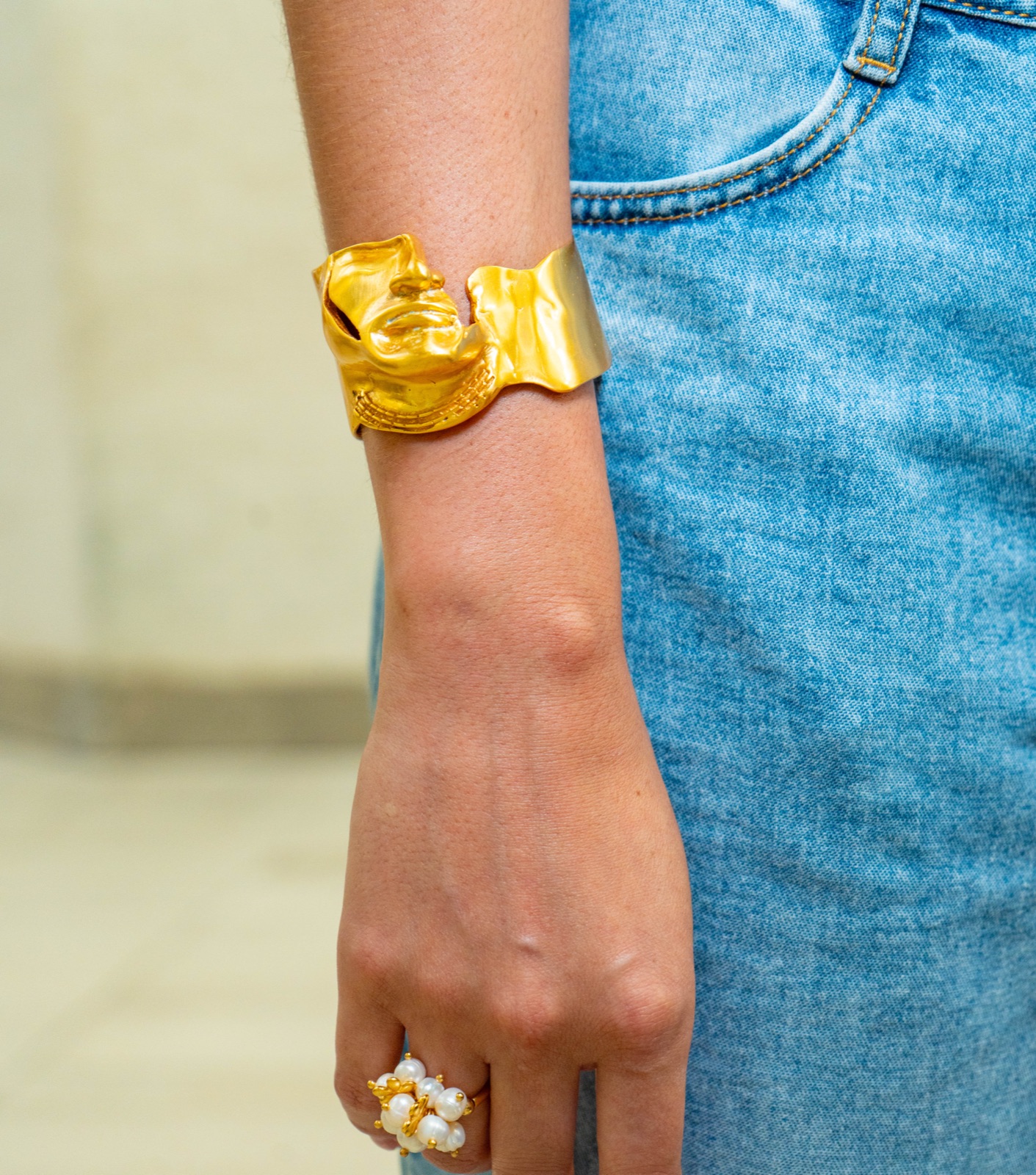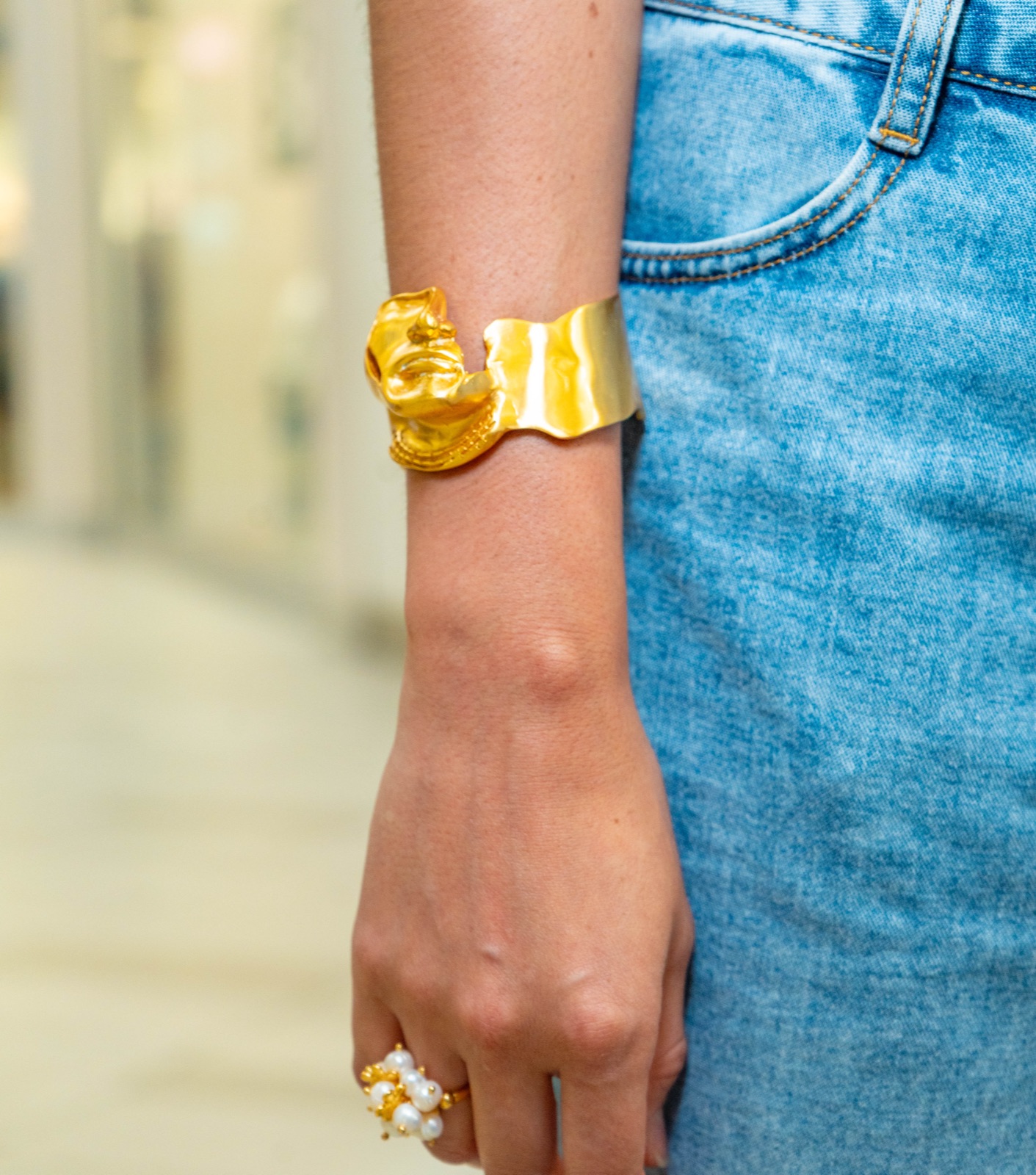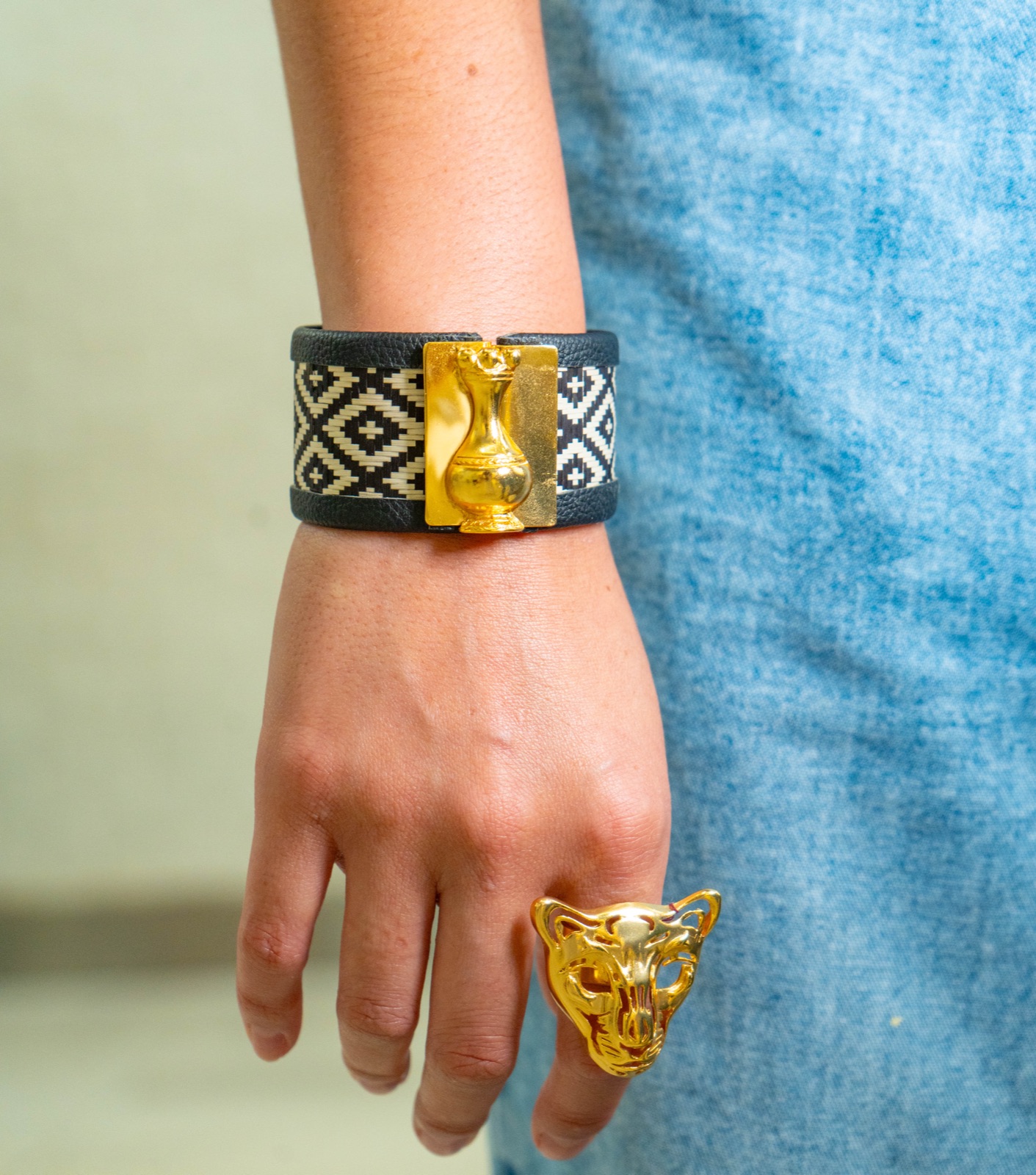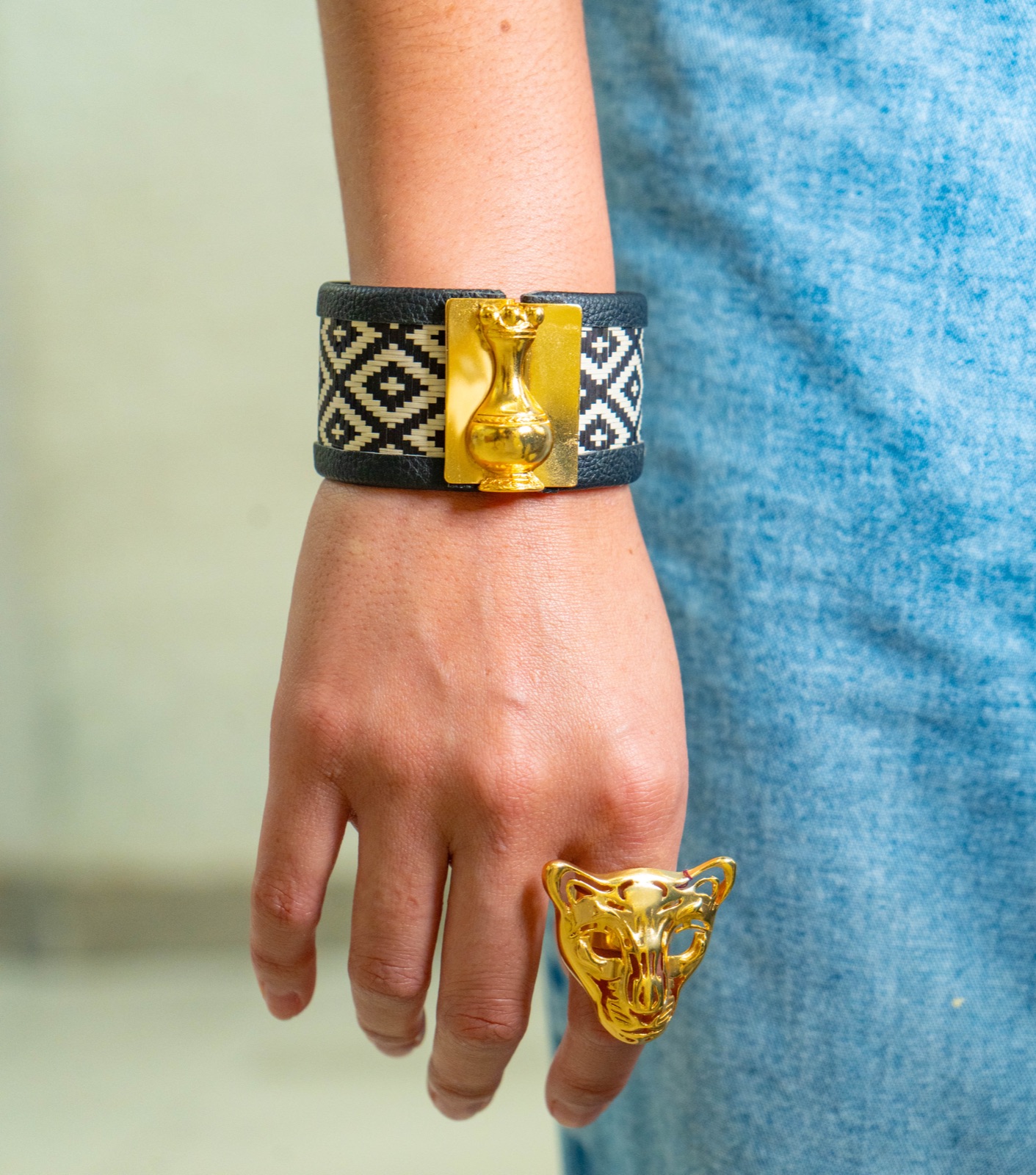
Zenú, Quimbaya, Tairona and Muisca: the goldsmiths who inspire Aluna jewelry
A journey through four goldsmith peoples of Colombia: Zenú, Quimbaya, Tairona and Muisca. Their history, their symbolism and the legacy of gold and emerald that lives today in every Aluna piece.
Before gold was money, in pre-Columbian Colombia it was sacred matter. Goldsmiths worked it to speak with the sun, with water and with the ancestors, and in their hands the metal became figure, symbol and offering. Four peoples took that craft to a level that still amazes today: the Zenú, the Quimbaya, the Tairona and the Muisca.
At Aluna we look to them in every piece. These are their stories, what they symbolized and what makes each people unique.
Zenú
The Zenú lived in the valleys of the Sinú and San Jorge rivers, in what are now Córdoba and Sucre, on the Caribbean coast. They were much more than goldsmiths: they designed a network of canals to control floods and gain fertile land, one of the most remarkable feats of hydraulic engineering in pre-Columbian America.
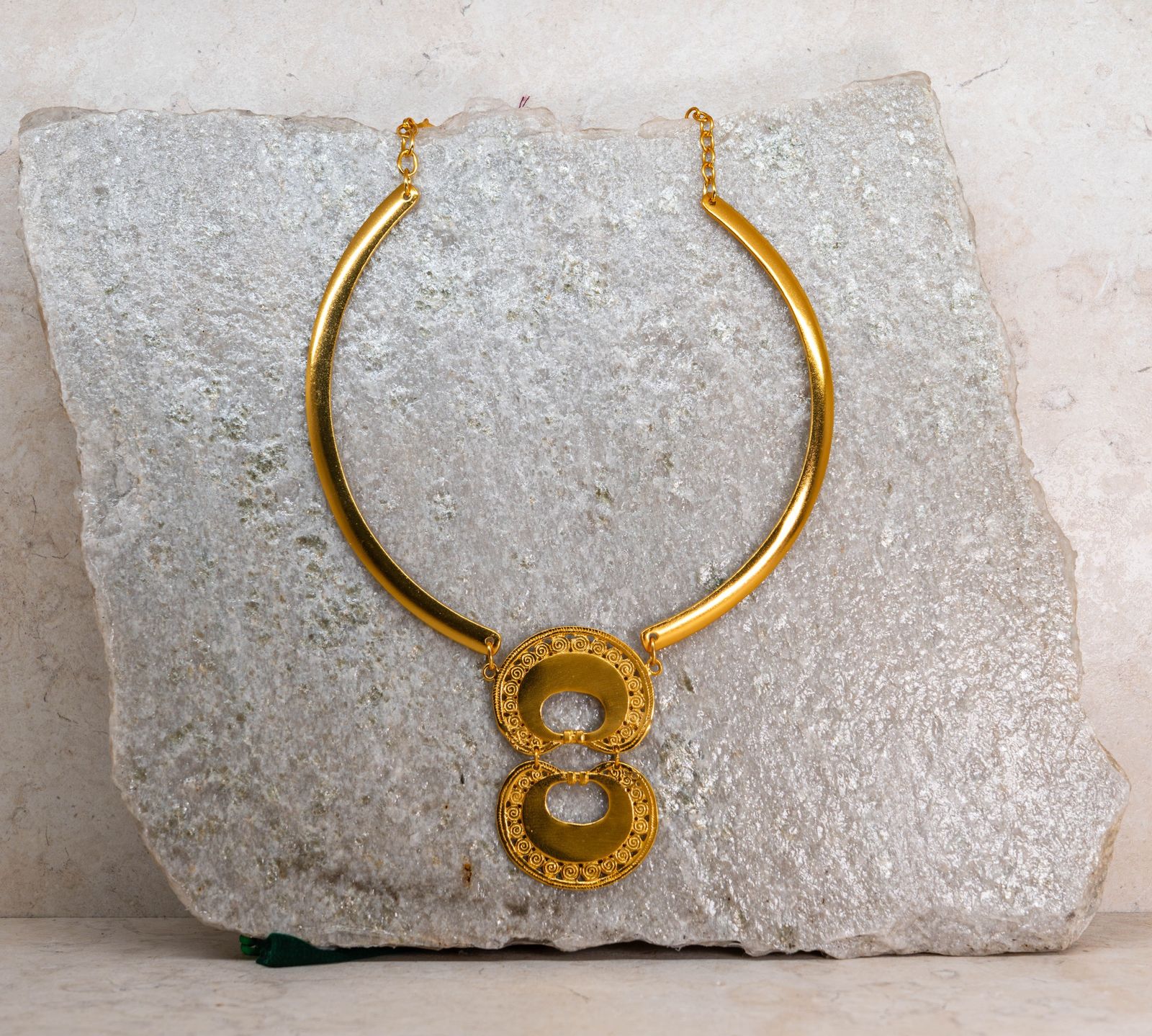
Their signature in gold was filigree: extremely fine threads woven like lace, achieving a lightness no other Colombian people matched. With that technique they made ear ornaments, nose rings and zoomorphic figures where the detail seems impossible.
For the Zenú, water was the center of life, and in their pieces birds, felines and fish appear as forces of nature. Their mastery of the gold thread is the root of the Mompox filigree still worked today.
From them we inherit the love of detail and the patience of the thread.
Quimbaya
The Quimbaya lived in the valleys of the Cauca river and the Quindío region, in the heart of the coffee axis. They had two great periods, the early and the late Quimbaya, and in both they were goldsmiths of uncommon refinement.
They mastered lost-wax casting with astonishing realism. Their human figures and anthropomorphic vessels have proportions and gestures that look like portraits, something rare in pre-Columbian goldwork, which leaned more toward abstraction. Their most famous piece, the Quimbaya Poporo, is today an emblem of the Gold Museum.
The poporo was a ritual object: it held the lime chewed with coca leaves in ceremonies of wisdom and of passage to adulthood. That is why it symbolizes knowledge, authority and the chief relationship with the sacred.
Their naturalism and balance inspire us directly: lost-wax is still the soul of our workshop.
Tairona
The Tairona, also written Tayrona, settled on the slopes of the Sierra Nevada de Santa Marta, in the Colombian Caribbean. They were great builders: they raised terraces, paved roads and stone cities such as Teyuna, known today as the Lost City.
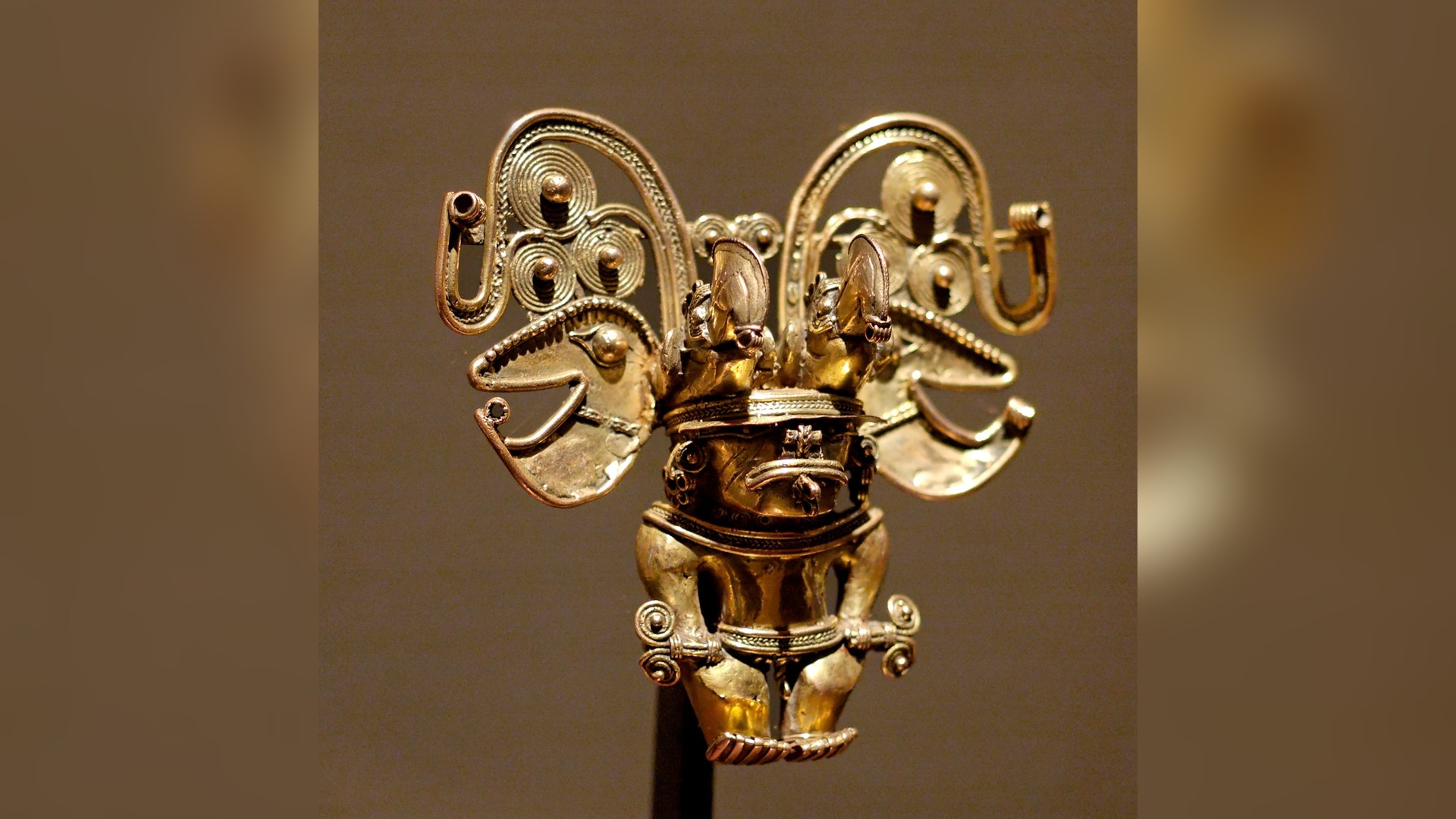
In gold they left mainly votive pieces. The tunjos, small human and animal figures, were offerings given to the forces of nature. They also created nose rings for the chiefs, pectorals and ear ornaments of great technical sophistication.
Their goldwork is inseparable from their cosmology, a vision in which the material and spiritual worlds are woven together. They are the only people on this list whose descendants, the Kogi, Arhuaco, Wiwa and Kankuamo, still keep much of that worldview.
From them we take the symbolic figure and the deep bond with the mountain.
Muisca
The Muisca occupied the Cundiboyacense highlands, the Bogotá savanna and much of Boyacá. They organized into a confederation of zipas and zaques, and their trade in salt and emerald made them one of the most powerful peoples of the interior.
Their goldwork produced figures such as the tunjos and, above all, the Muisca Raft, a piece that depicts the El Dorado ceremony at Lake Guatavita. There the chief, covered in gold dust, offered treasures to the waters, and from that rite was born the legend that obsessed the conquistadors.
For the Muisca, gold was the sun energy made matter, and emerald was the stone of water, fertility and life. They were the only people who united gold and emerald in a single symbolic universe.
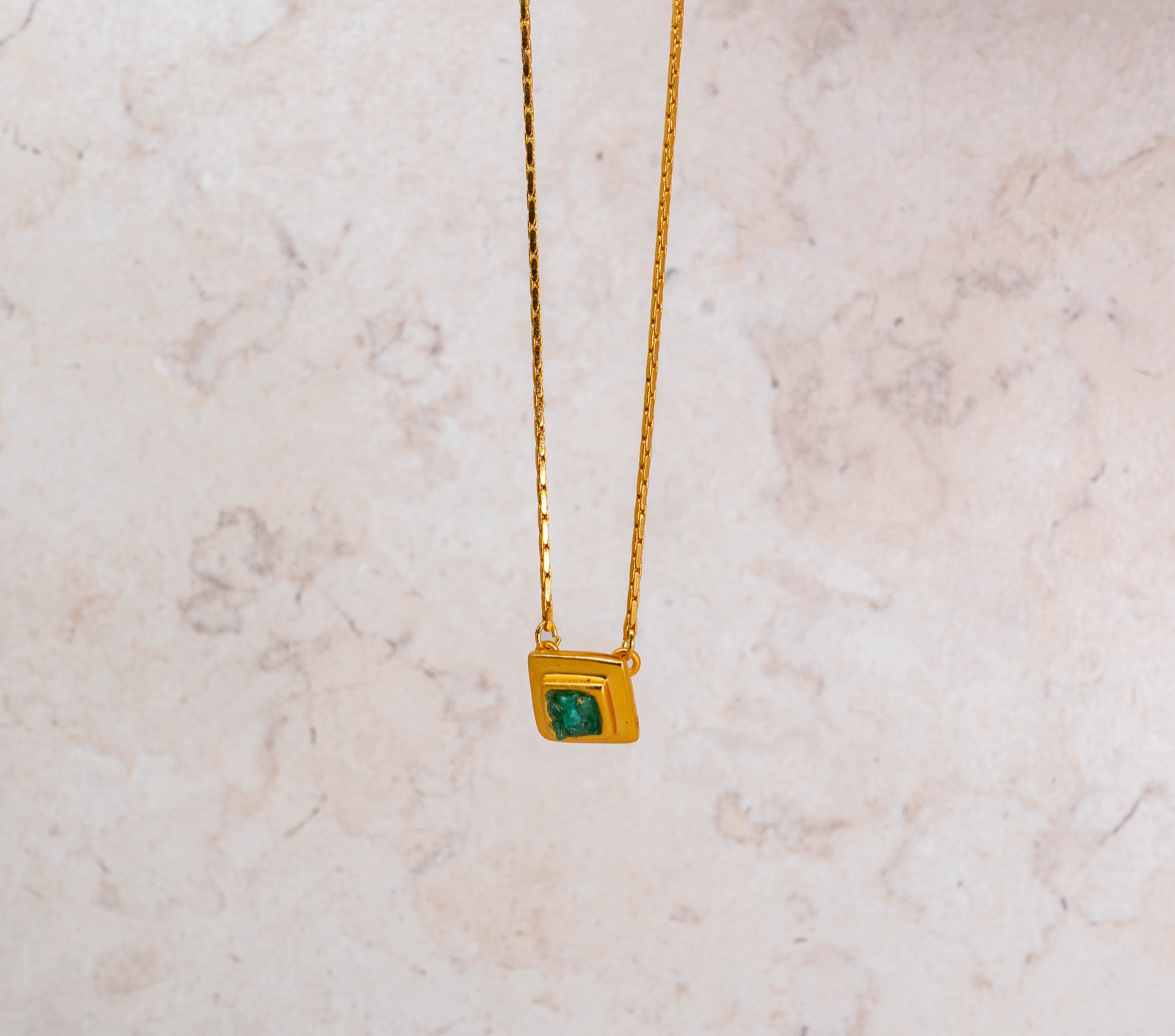
From them comes what defines us most: the raw Muzo emerald as the protagonist and the story of El Dorado as our origin.
From Zenú filigree to Muisca emerald, these four peoples left a language we still speak in the workshop. Every Aluna piece is a small tribute to their ingenuity, their symbols and their way of understanding gold.